
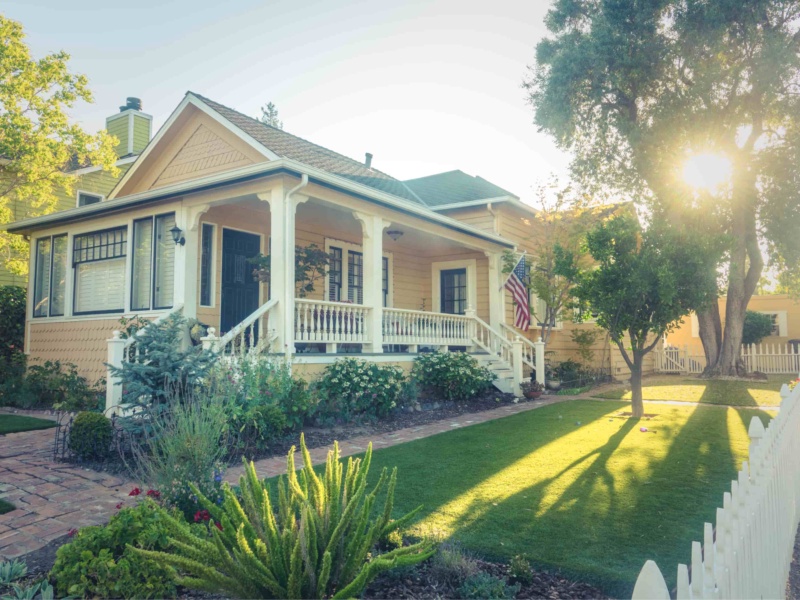
Common electrical issues can sneak up on homeowners and small-business owners once a building passes the 10-year mark, especially in communities like Joplin, Carthage, Webb City, Carl Junction, and Neosho. As power use grows, older systems are stressed in ways they were never designed to handle, increasing the risk of fires, shocks, and nuisance outages.
Outdated or Damaged Wiring
In many 10+ year-old structures, original house wiring may no longer be a good match for today’s loads. Age, moisture, pests, and previous DIY work can all contribute to faulty wiring that overheats or fails under stress. Homeowners should be particularly cautious if they notice:
- Wires with cracked or brittle insulation.
- Splices made outside of junction boxes.
- Evidence of rodent damage in attics or crawlspaces.
- Scorch marks on walls or near outlets.
- Breakers that trip when a specific circuit is used.
Overloaded Circuits and Tripping Breakers
As you add more electronics, space heaters, or window AC units, it is easy to overload circuit breakers on older systems. When too many devices draw power from one circuit, breakers trip to prevent overheating and possible fire. If you see any of the following, the circuit likely needs to be evaluated:
- Breakers that trip when you plug in a single appliance.
- Power strips daisy-chained together.
- The lights dim when large appliances start.
- Frequent resetting of the same breaker.
- Warm breaker switches or panel covers.
These are not just annoyances; they are clear electrical problems that require a licensed electrician’s attention.
Old Electrical Panels and Limited Service
Electrical panels in many older homes and small commercial buildings were installed when 60–100 amps of service was considered sufficient. Today’s HVAC systems, kitchen appliances, and electronics often demand more capacity than these panels can safely deliver. Signs a panel may need an upgrade include:
- Rust, corrosion, or water staining inside or around the panel.
- Missing panel covers or open knockouts.
- Breakers that will not stay reset.
- Circuits added beyond the original panel rating.
- Labels that are missing, faded, or obviously incorrect.
If your building is over a decade old and has never had its electrical panels evaluated, scheduling a professional inspection is a practical safety step.
Unsafe or Insufficient Outlets
In homes 10+ years old, the number and types of outlets may not meet current needs or safety standards. Ungrounded two-prong receptacles, lack of GFCI protection near water, and loose or discolored outlets all fall into this category. Watch for:
- Outlets that spark when you plug in a cord.
- Plugs that fall out of the receptacle.
- No GFCI outlets in kitchens, baths, garages, or exterior locations.
- Heavy reliance on extension cords for permanent devices.
- Outlets that feel warm during normal use.
These conditions increase the risk of shocks and fires and indicate underlying electrical issues behind the walls.
Warning Signs of Electrical Issues
Some warning signs are easy to spot if you know what to look for. Consistent patterns usually indicate deeper electrical issues rather than random quirks of an older building. Take note of:
- Flickering or dimming lights in multiple rooms.
- Persistent burning or “hot plastic” odors near outlets or switches.
- Buzzing or crackling sounds from the walls, fixtures, or the panel.
- Discolored or charred switch plates.
- Small shocks when touching metal appliances or switches.
If you notice any of these conditions, it is important to have your house wiring and service inspected promptly.
For homeowners and small business owners across southwest Missouri, now is also the right time to get ready for severe weather. Before spring storms roll through Joplin and surrounding communities, call Ipock Electric & Solar to schedule a visit to inspect your system, service your propane generator, or install a new standby unit. Reliable backup power and professionally maintained wiring protect your property, your business operations, and your family’s comfort when the lights go out—call (417) 437-2905 today to get your electrical systems ready for a new era of power and load.